People ATX · How we use artificial intelligence

A person reads your file.

We use AI every day, and we are glad to say so. It never decides anything about you. This page explains exactly where the line sits and how to hold us to it.

The one rule, first, because it matters most

AI never makes the decision about a person.

Not a score. Not a ranking. Not a shortlist. Not a rejection. A partner reads your background, a partner writes the assessment, and a partner makes every recommendation to a client. AI researches, drafts and formats. People decide. If you read nothing else here, read that again.

The test behind the rule

There is a difference between a person being involved and a person deciding. A recommendation someone approves without opening the file underneath it is still the tool's decision, wearing a signature. So the question worth asking us, or any firm, is not whether a human was in the loop. Ask who actually decided, then ask them to walk you through the record it came from. Ours can, because ours did.

01 · A note from Andres

Why this page exists.

The question comes up on almost every first call now, usually near the end, usually a little embarrassed. Did a machine read my resume before you did.

The answer is no. I read it. And the fact that people feel they have to ask, quietly, as if it were rude, tells you what the last few years have done to trust in hiring. Candidates are being sorted by systems they cannot see, rejected by processes that never involved a conversation, and told it is efficiency.

We use AI here. Every day. It searches public sources, it drafts, it summarizes long documents, it handles the paperwork that used to eat entire afternoons. It has made this practice faster and, in the parts where speed is the point, better. I am not going to pretend otherwise, and I am not going to apologize for it.

What it does not do is judge you. A career is a life. Thirty years doing this work taught me that the moment you let a machine rank a life, you have stopped doing the job and started doing volume. So the rule is simple and it does not bend: the machine does the machine work, and a person does the deciding.

If any of this ever looks different from the inside, write to us. The address is at the bottom and it reaches a person.
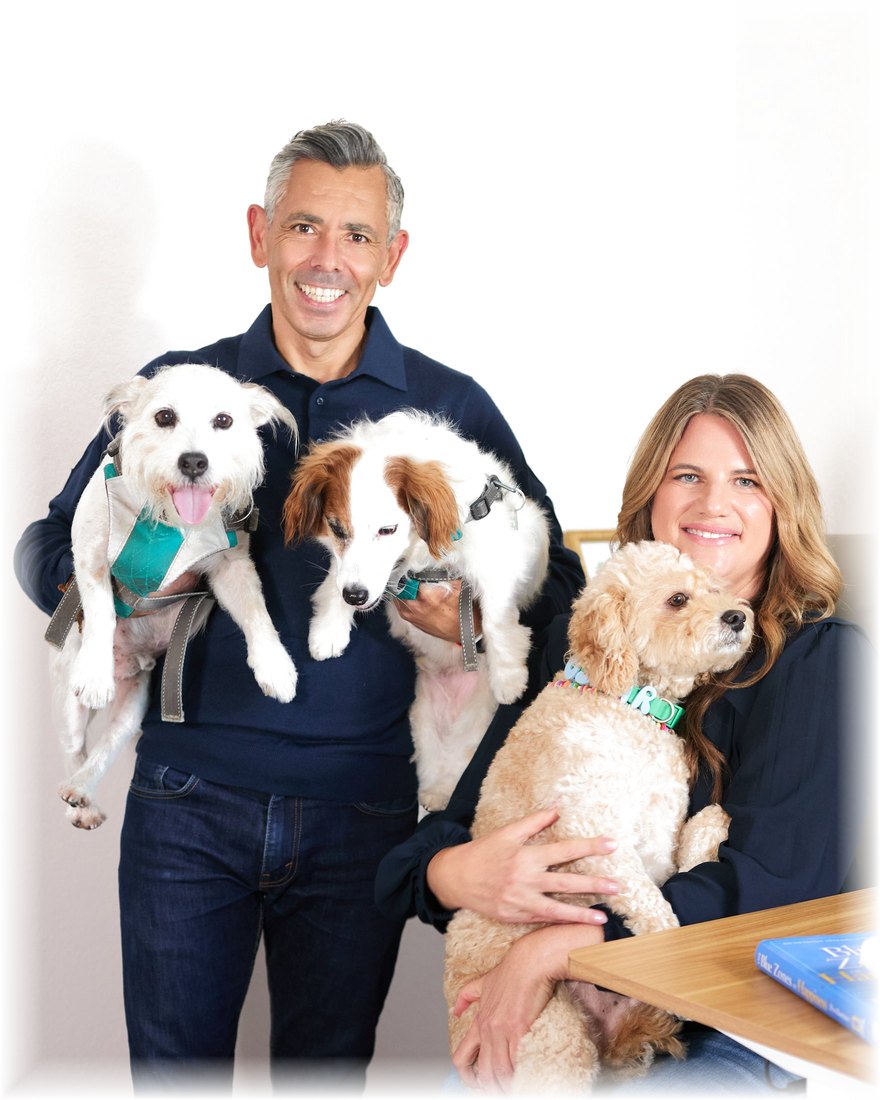
Don't be afraid. We are all humans.

Andres Traslavina

Andres Traslavina

Co-Founder, People ATX

Jami Adkins

Jami Adkins

Co-Founder, People ATX

02 · What we commit to

Six promises, and what each one costs us.

These are not aspirations. Every one is written into our privacy policy, which means you can hold us to it. Open any card for the detail.

Tap a card to open it

03 · The short version

Where AI works, and where it never touches.

One question sorts almost everything. Is this about a document, or about a person? Documents can move fast. People get a human.

Yes, we use it here

Machine work

  • Searching public sources to find leaders
  • Summarizing published research, filings and news
  • Drafting and editing our own documents
  • Organizing notes and scheduling
  • Building first drafts of interview questions

Only with a person in the loop

Checked work

  • Summarizing documents a client has shared with us, inside our secure workspace
  • Transcribing a conversation you agreed to record
  • Drafting messages that a partner edits and sends
  • Any summary about you, read against the original before it is used

Never, under any circumstances

Your call to make

  • Scoring, ranking, screening or filtering candidates
  • Rejecting anyone
  • Analyzing your face, voice or video
  • Putting your information into free or personal AI tools
  • Sending anything about you that a person has not read

04 · The fine print, two ways

Read it as a lawyer, or read it as a person.

Same commitment, two registers. The legal version is there so your counsel can check our work. The plain version is there so you can remember it.

Tap a row to open, then switch registers

A human clicking approve is not a human deciding. The federal standard now says that out loud. It does not apply to us, and we hold to it anyway. A partner reads the underlying record, forms the judgment, and can walk you through how they got there without the tool in the room.
If a tool filters people, whoever used it owns the result. So no tool filters people here. We do, and we sign our names to it.
New York requires an annual audit, published results and advance notice whenever software helps decide. We keep it simple. Software never helps decide.
No machine watches your interview. Nothing reads your face, your accent or the pause before you answer a hard question. A person is in the room, and a person forms the impression.
Your background does not become training data for somebody's model. We pay for the version that keeps it ours, and we do not paste your information into free tools to save a minute.
We ask before we record. No is a complete answer, it takes one word, and nothing happens to your candidacy because you said it.
Write to hello@peopleatx.com and ask what we have on you, or tell us to delete it. We answer. Asking has never cost anyone a candidacy and it never will.

05 · One platform, chosen on purpose

Claude is the AI we use.

We picked one secure platform rather than letting tools accumulate. That means there is never a question about where your information sits, and never a moment where someone reaches for whatever is open in another tab.

01

Your information stays yours

Under our enterprise terms, what we put in is not used to train the models. Your background does not end up in someone else's answer.

02

Built for confidential work

Enterprise security and administrative controls, which is the standard a leadership transition and a person's career both deserve.

03

One front door

One approved platform means one set of rules and no improvising at six in the evening against a deadline.

04

Genuinely useful

Research, drafting, editing, summarizing. We use it generously for all of it, which is precisely why the line about people has to be absolute.

The habit underneath all of it: open the tool for the paperwork, close it before the judgment. It drafts the document. A person decides about the person.

06 · Two founders, one rule

What Andres and Jami will tell you themselves.

We built this firm together, and we hold the same line on this from two different directions.

Andres Traslavina

Andres Traslavina

Co-Founder

A machine can read your resume in two seconds. It takes me longer, because I am listening for what you left out. Ese man tiene mas cuento que culebra, and so does a resume. AI drafts the summary. I still sit across the table to find out what is true.

Jami Adkins

Jami Adkins

Co-Founder

I trusted a stranger with a kidney before I trusted software with somebody's career. AI can summarize your whole file into a paragraph. It cannot tell me if you show up on the hard Tuesdays. That part is still mine to find out.

07 · Test us

What would we do?

Six situations from a normal week. Guess how People ATX handles each one. Nothing is recorded and nothing is sent anywhere.

Situation 1 of 6

08 · Where the time goes

The hours come back to you.

This is the trade we make with the machine. It takes the formatting, the proofreading and the scheduling. We take the hours back and spend them on conversations. Move the slider to see what a week of that buys.

Efficiency is not the point. It is what pays for the part that is: an unhurried call with a candidate who is deciding whether to change their life.

Don't be afraid. We are all humans.

If something about how we work does not match what is written here, tell us. Write to hello@peopleatx.com and a person will answer.

Back to People ATX